
- Visual marketing uses graphic and audiovisual elements to capture attention, simplify messages, and generate emotions.
- It promotes brand recognition, interaction on social networks, and information retention.
- It applies to both digital platforms and physical spaces and requires visual consistency and adaptation to the audience.
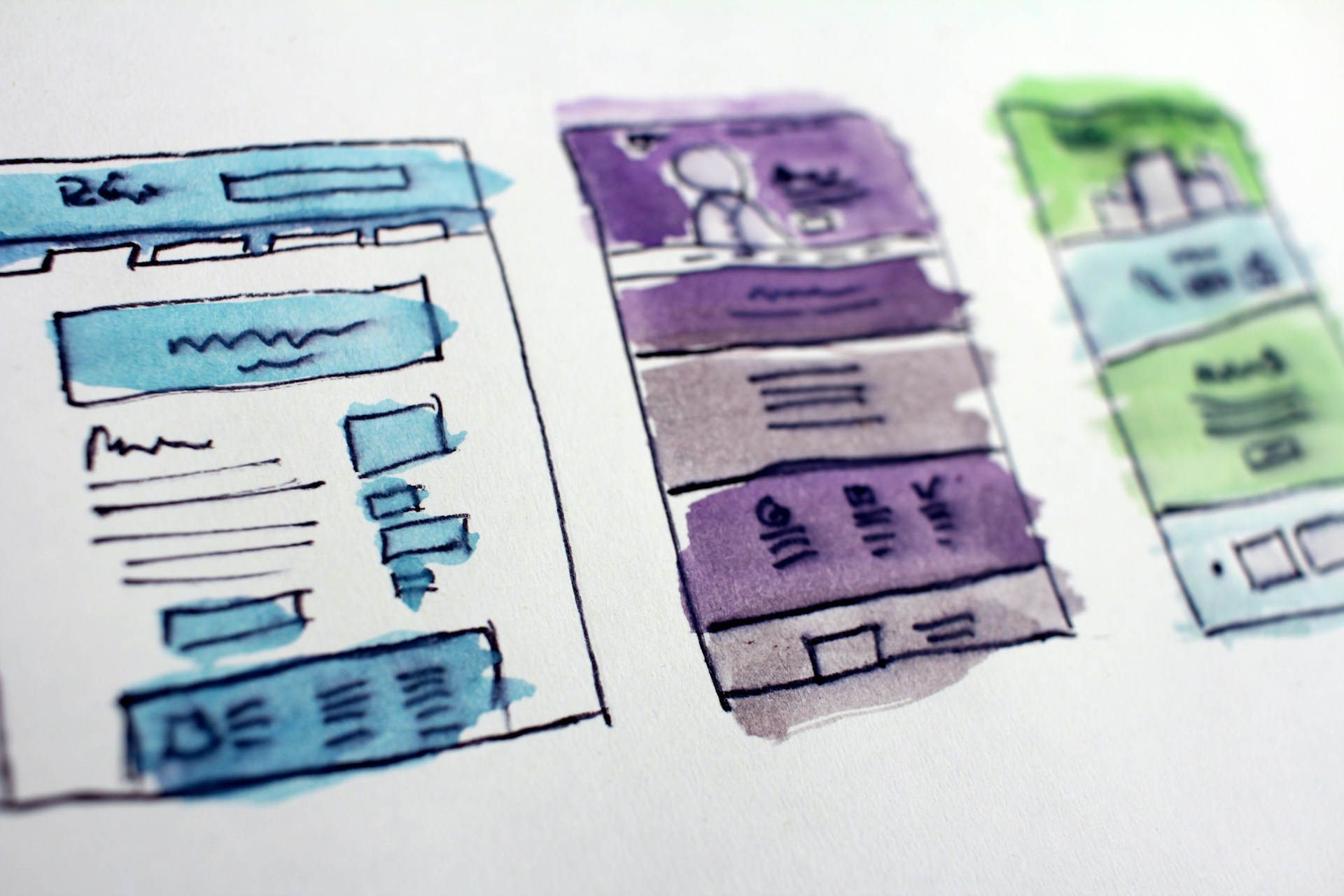
Visual marketing is more alive than ever and has become one of the preferred strategies for brands to capture the attention of their audiences. In the digital age, surrounded by visual stimuli, the way we use images, videos, graphics, or illustrations can make the difference between a campaign that goes unnoticed and one that leaves a mark, is shared, and generates sales.
This article will guide you through a comprehensive exploration of what visual marketing truly is, why it has become essential for any business, how to design an effective strategy, its components, and practical examples to help you get the most out of it both online and offline. In addition, we will integrate practical recommendations and explore, from a professional and personal perspective, how to get the most out of this discipline.
What exactly is visual marketing?
Visual marketing, also known as visual marketing, consists of the planned use of visual elements – images, videos, graphics, illustrations or typography – to communicate marketing messages and enhance the brand or product. This is a branch of sensory marketing that focuses on impacting the sense of sight. While all humans process visual information quickly, visual marketing leverages this fact to deliver its message effectively. direct, memorable and, above all, emotional.
This approach seeks to attract attention, create interest, facilitate understanding, and generate emotional connections with consumersFor this reason, visual marketing goes far beyond pretty pictures; it is a strategic tool that can influence brand perception, product trust, and purchase intent.
Why is visual marketing so powerful?
We live surrounded by images and visual stimuli, both on the street and on the internet, social networks, transport or physical points of sale. This has led to increasingly limited attention spans, meaning brands need to make an effective impact in just a few seconds to leave a lasting impression. Various studies show that 90% of the information we process is visual and that we remember an image much better than text.
Visual communication allows complex messages to be transmitted simply and quickly, evoking emotions and facilitating decision-making. Therefore, visual marketing has become a fundamental pillar in digital strategy, helping to to differentiate themselves in saturated markets, to reinforce brand identity and to increase advertising recall.
The Best QR Code Generators in 2025: Complete Guide and Comparison
Benefits of visual marketing for businesses
- It attracts attention and generates immediate interest: A good visual resource can capture users' attention much faster than a written message, especially in contexts where competition for attention is fierce.
- It facilitates the understanding of complex messages: Visual elements help to explain difficult or abstract concepts in a simple and direct way, both for the general public and for specialized audiences.
- It evokes emotions and creates a connection: Images and videos have an irreplaceable ability to evoke emotions, making us feel identified or inspiring confidence in a brand or product.
- Increases information retention: We tend to remember information received in the form of images better, which favors message retention and brand recall.
- It facilitates virality and dissemination: Visual content is shared much more on social media and other digital environments, multiplying the reach of campaigns.
- It is universal and transcends cultural barriers: Unlike texts, which may have linguistic limitations, images and videos are understood globally.
- Encourage interaction and engagement: The visual elements encourage interaction (sharing, liking, or commenting), especially from mobile devices and social networks.
- It helps to differentiate yourself and build brand identity: A distinctive visual style reinforces the company's personality and facilitates instant recognition.
Pinterest: What it is, how it works, and how you can get the most out of it
The essential elements of visual marketing
Visual marketing consists of a wide variety of resources and media, both traditional and innovative, which can be used individually or in combination, depending on the objectives and the chosen channel.
- Images and photographs: The most widely used resource in visual campaigns. It is crucial that they are high quality, aligned with the brand identity, and that they reinforce the message being conveyed.
- Videos: The format preferred by most users. It allows you to showcase processes, tell stories, demonstrate products, or create immersive experiences in just a few seconds.
- Infographics: Fantastic for condensing large amounts of information or complex data and making them attractive and easy to understand.
- Charts and diagrams: Useful for displaying statistics, results, or comparisons.
- GIFs and memes: Informal visual elements, highly effective in capturing the attention of young audiences or bringing the brand closer with a casual tone.
- Graphic design and branding: It includes everything from the logo, typography and color palette, to icons, banners and the entire corporate visual identity.
- Visual presentations: Slides, slideshows, and other formats that help communicate messages dynamically.
- Custom illustrations: They add a unique and creative touch, differentiating the content from the competition.
- Product and lifestyle photography: Essential in ecommerce and catalogs, showcasing products in different contexts and real-life situations.
- Flowcharts: They help guide users through processes or visualize sequences of actions.
- Icons and symbols: They highlight ideas or facilitate web navigation and understanding of services.
- Filters and visual effects: They allow you to create a specific, homogeneous, and recognizable aesthetic throughout the content.
All about Canva: what it is, how it works, and what it's for
How does a visual marketing strategy work?
The process for implementing an effective visual strategy ranges from identifying the target audience to measuring and optimizing results. Let's see step by step how it usually develops:
1. Defining the target audience
It all starts with getting to know your target audience inside and out: Their tastes, needs, problems, habits, and visual preferences. Only then can you create content that resonates with them and motivates them to take action.
2. Clarity in marketing objectives
Do you intend to increase brand awareness, improve brand recall, or boost sales? Setting clear goals will help you define the most appropriate types of messages, formats, and channels.
3. Creation of coherent and engaging visual content
Aesthetic coherence and the quality of materials are fundamental. It's important to pay attention to everything from the choice of colors and fonts to the style of the photos and animations. The content should be relevant, aligned with the brand, and capable of generating emotions.
4. Selection of distribution channels
Not all channels serve the same purpose, nor are all audiences on the same platforms. Social networks like Instagram, Facebook, TikTok or Pinterest are ideal for eye-catching visual content; while websites and blogs require a more elaborate approach.
5. Encouraging engagement with the content
Publishing regularly and engaging with the community is just as important as designing good materials. It is recommended to use calls to action (CTAs), interact with comments, share stories, and generate conversation.
6. Measurement, analysis and optimization
Analyzing results is essential to know what works and what needs adjusting. Analytics tools allow you to measure reach, engagement, conversions, or ROI, and identify areas for improvement.
7. Brand consistency
Maintaining a consistent visual identity across all media reinforces brand recognition and user trust. It is recommended to develop a style guide with visual guidelines and apply them systematically.
8. Adaptation to technological trends and changes
Design trends and visual consumption habits are evolving rapidly. Staying up-to-date on the latest effects, formats, or platforms helps you stay relevant to your audience.
The importance of visual marketing in the digital age
Digital transformation has driven the mass adoption of visual marketing across multiple channels: social media, websites, blogs, apps, email marketing, video platforms, or even offline media such as posters, points of sale, packaging or trade fairs.
Some important applications in the digital environment are:
- Social networks: Instagram, TikTok, and Pinterest are veritable visual showcases. Visual content takes center stage: photos, videos, stories, and reels are key to capturing attention and making campaigns go viral.
- Website and blog design: A visually appealing design improves the user experience, increases time spent on the page, and reduces the bounce rate.
- Email marketing: Emails with well-chosen images and graphics increase open and click rates.
- Online advertising: Visual ads (banners, videos or display ads) are usually much more effective than traditional text ads.
- Electronic commerce: The quality of the product photography and video directly influences the purchase decision.
- Augmented and virtual reality: They enable immersive experiences, which are becoming increasingly common in fashion, automotive, and tourism.
- Live events: Live broadcasts on social media (Instagram Live, Facebook Live, YouTube Live) combine music, animations, and visual messages to generate direct contact.
- Ephemeral stories: Short-form content (Instagram, Facebook, or WhatsApp stories) that increases the feeling of immediacy and encourages interaction.
Competitive advantages and examples of visual marketing
Visual marketing isn't limited to online communication. It also offers significant advantages in the physical environment:
- Digital signage: Digital signage in retail outlets, shopping centers, or transport stations captures attention and extends customer stays. You can learn more at Pure Sense.
- Digital menus: Essential in restaurants and fast food chains, they facilitate the decision and improve the customer experience.
- Video walls: Large screens that generate a great visual impact at fairs, stores and events.
- Industrial monitors: Durable, high-quality screens, ideal for outdoor or demanding environments.
- Corporate television: A common resource for informing, motivating and training in companies.
In the online world, some prominent examples are:
- Advertising on social networks: Visual ads on platforms like Facebook, Instagram, or Twitter that generate clicks and conversions.
- Infographics for blogs and media: Useful tools for explaining complex data and facilitating sharing.
- Product demonstration videos: Ecommerce essentials.
- Visual email marketing: Emails with striking images and visual calls to action.
- Stories on social media: Ephemeral content that increases interaction and virality.
Practical tips to boost visual marketing
- It evokes emotions: Content that connects with feelings like joy, nostalgia, or awe is usually more memorable and shared.
- Simplify and synthesize: Use infographics and charts to highlight key information.
- Tell visual stories: Storytelling in short videos or sequences helps to retain and better understand ideas.
- Include data or statistics in graphs: Add authority and credibility to your message.
- Adapt the format to the channel and audience: Creating an infographic for LinkedIn is not the same as creating a meme for Instagram.
- Use short texts as reinforcement, not as explanation: Short, eye-catching messages complement visual resources well.
- Maintain visual consistency: Always use the same colors, fonts, and styles.
- Test and optimize: Analyze which types of visual content work best and adjust your strategy accordingly.
Media richness and brand equity: key concepts of visual marketing
The informational richness theory explains why media-rich content – which combines text, images, video, and interactive elements – has a greater capacity for persuasion and recall. Visual communication conveys multiple signals, generates real-time feedback, connects emotionally, and can use both natural language and symbols or numbers. This is especially important on social media, where visual content easily goes viral.
On the other hand, brand equity represents the perception, trust, and relationship that consumers have with a brand. A coherent visual strategy helps build that perception, enabling recognition, preference, and loyalty. To strengthen it, it's essential to maintain a consistent visual presence, convey values, and offer positive experiences.
Microsoft Start: All About the New Personalized News Feed and Its Competition with Google Discover
Purchase intent and the influence of visual marketing
Visual marketing directly influences purchase intent, which is the probability that a user will go from considering a product or service to taking a specific action such as buying it. This intention is influenced by brand trust, perception of the environment, the moment in the purchase funnel, and consumer preferences.
Positive factors in these aspects increase the effectiveness of visual campaigns, achieving better results.
How to measure the success of visual marketing?
Some important metrics are:
- Scope and impressions: Number of people who have viewed the content.
- Engagement: Likes, shares, comments, and viewing time.
- Conversion rate: Percentage of users who perform the desired action.
- ROI: Return on investment in visual campaigns.
- Brand recognition and recall: Through surveys or specific studies.
Mistakes you should avoid in your visual marketing strategy
- Low quality images: They damage credibility.
- Failure to maintain visual consistency: It creates confusion and hinders recognition.
- Ignoring audience preferences: Trends don't work the same for everyone.
- Saturate the design: Elaborate designs scatter attention.
- Not optimized for mobile devices: The content must be adapted to different screens.
- Neglecting accessibility: It is essential that it be understandable to everyone, including people with visual or hearing impairments.
Advanced examples of visual marketing and innovative applications
- Augmented Reality (AR): It is already used in fashion or decoration apps so that users can visualize products in their space.
- Immersive experiences: Interactive video walls, 360º screens and virtual reality at trade fairs and events.
- Purchase intent test: Brands visually analyze the impact of colors or packaging before launch.
- Audiovisual storytelling: social media campaigns narrated in video to generate emotional impact.
Integrating visual marketing into the business strategy helps capture attention, facilitates communication, and creates lasting emotional bonds with audiences. Maintaining aesthetics, consistency, quality, and relevance in every visual resource is key to standing out. The possibilities in the visual world—both online and offline—are vast and accessible to any company seeking to innovate and adapt to digital transformation.

Experts in software, development, and applications for industry and home use. We love leveraging the full potential of any software, program, app, tool, and operating system on the market.